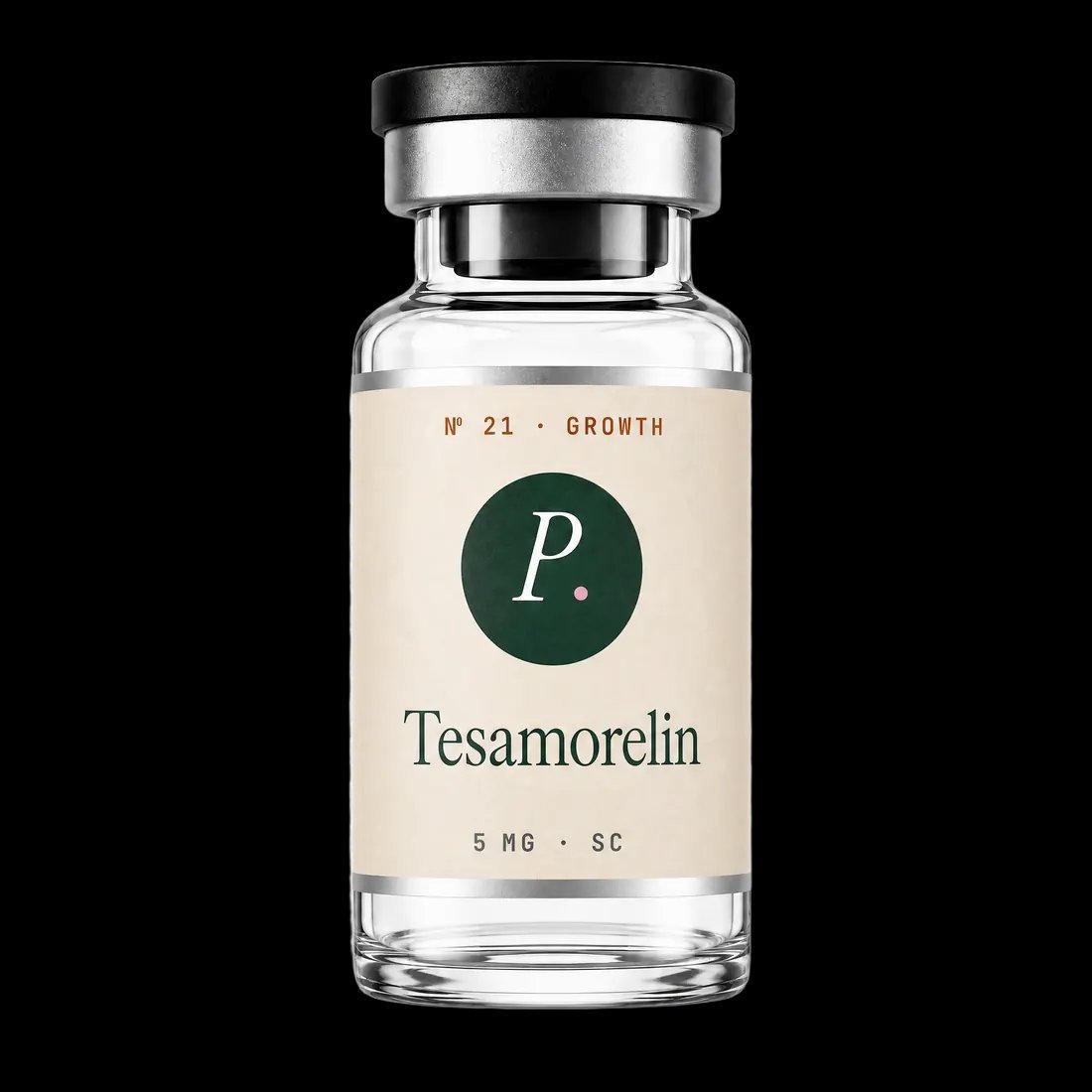
Description
Tesamorelin: Product & Research Information
Product Overview
Tesamorelin is a synthetic peptide and growth hormone-releasing hormone (GHRH) analogue investigated for its effects on growth hormone signaling. It acts on the body’s GHRH pathway, stimulating the pituitary gland to release growth hormone and influencing downstream insulin-like growth factor 1 (IGF-1) levels.
Tesamorelin has a distinct regulatory status from many peptides sold for research purposes. In the United States, tesamorelin is the active ingredient in FDA-approved prescription medicines indicated to reduce excess abdominal fat in adults with HIV-associated lipodystrophy. This indication is specific and does not mean tesamorelin is approved as a general weight-loss, bodybuilding, anti-aging, or cosmetic treatment.
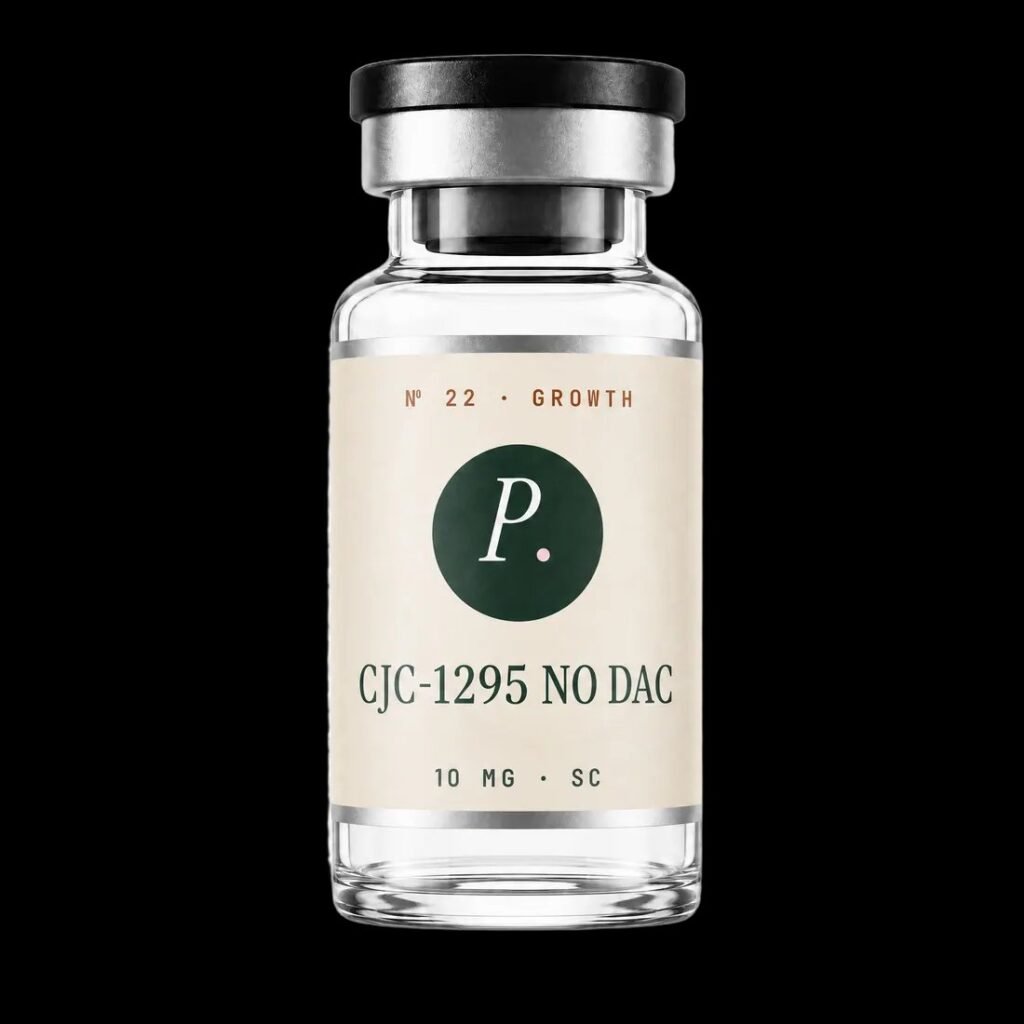
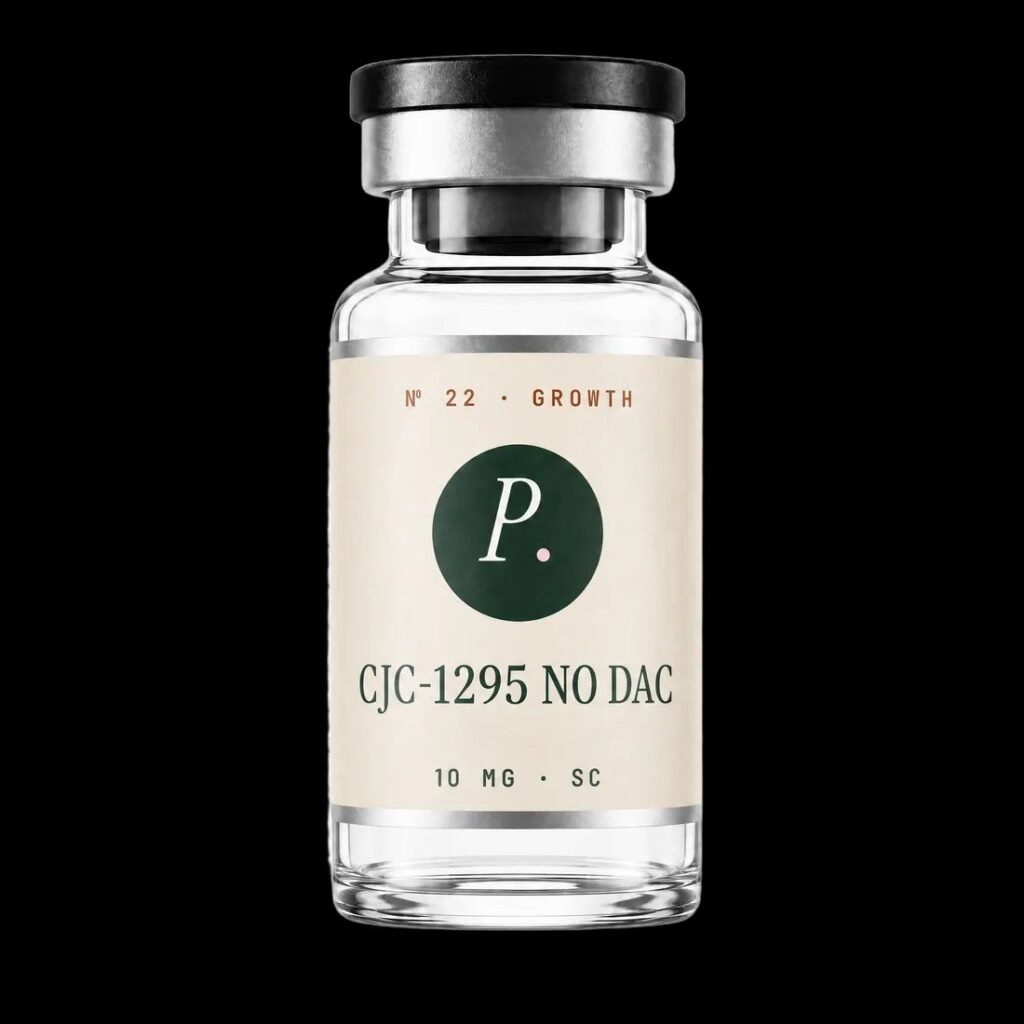
The exact identity, strength, formulation, and regulatory status of any Tesamorelin product should be verified using its label and applicable product documentation.
Understanding Tesamorelin
Tesamorelin is a synthetic analogue of human growth hormone-releasing hormone. GHRH is involved in the physiological regulation of growth hormone secretion. By acting on this pathway, tesamorelin stimulates endogenous growth hormone release and can increase circulating IGF-1.
These biological effects help explain its investigation and approved medical use in a specific patient population. However, a mechanism involving growth hormone does not establish that every tesamorelin product produces a particular change in body composition or delivers benefits for otherwise healthy people.
Tesamorelin and Body-Fat Research
Clinical research on tesamorelin has focused in part on visceral adipose tissue, the fat stored deep within the abdominal cavity around internal organs. The FDA-approved prescription formulations have a specific indication for reducing excess abdominal fat in adults with HIV-associated lipodystrophy.
This use should not be confused with general weight management. The approved product labeling states that tesamorelin is not indicated for weight-loss management. Evidence from its approved indication should not be used to promise cosmetic abdominal-fat reduction or predictable weight loss in other populations.
Growth Hormone and IGF-1 Signaling
Tesamorelin works through the growth hormone-releasing hormone pathway. Its effects include stimulation of growth hormone production and an increase in IGF-1, a growth factor involved in several physiological processes.
Changes in growth hormone or IGF-1 are not, by themselves, proof of improved health, muscle growth, longevity, or athletic performance. Outcomes depend on the formulation, the population studied, and the available clinical evidence.
Product Identity and Quality Documentation
Before making product-specific claims, confirm the product’s stated strength, formulation, manufacturer or supplier information, and applicable regulatory status.
Where available, batch-specific documentation may help establish product identity and provide relevant analytical results. A certificate of analysis (COA) should be described accurately: it does not independently establish clinical effectiveness, safety for human use, or regulatory approval.
Do not assume that an unapproved research-labelled product is interchangeable with an FDA-approved prescription medicine containing tesamorelin. Formulation, manufacturing controls, quality documentation, and authorized uses may differ.
Safety and Regulatory Considerations
Tesamorelin is not suitable for everyone. FDA-approved prescription labeling includes important warnings and contraindications. These include active malignancy, pregnancy, disruption of the hypothalamic-pituitary axis, and known hypersensitivity to the product or its ingredients. Warnings include the risk of elevated IGF-1, fluid retention, glucose intolerance or diabetes, and hypersensitivity reactions.
The FDA-approved prescription products require medical oversight. The safety and effectiveness of an independently marketed product should not be inferred from the approval of a different tesamorelin formulation. Product claims and sales practices must comply with the regulations that apply in the relevant jurisdiction.
This page is for educational product information only. It is not medical advice, a treatment recommendation, or instructions for self-administration. Do not describe tesamorelin as a proven general weight-loss, anti-aging, bodybuilding, or cosmetic treatment.
Frequently Asked Questions
What is tesamorelin?
Tesamorelin is a synthetic GHRH analogue that stimulates the body’s growth hormone pathway. It is the active ingredient in specific FDA-approved prescription medicines.
Is tesamorelin FDA-approved?
Yes. Specific prescription formulations are FDA-approved in the United States for reducing excess abdominal fat in adults with HIV-associated lipodystrophy. This approval does not automatically extend to every product sold under the name tesamorelin or to other uses.
Is tesamorelin a general weight-loss treatment?
No. The FDA-approved prescription labeling specifically states that tesamorelin is not indicated for weight-loss management. Its approved indication relates to excess abdominal fat in a defined patient population.
Does tesamorelin increase growth hormone and IGF-1?
Tesamorelin stimulates growth hormone production and increases IGF-1 levels. These effects require appropriate clinical interpretation and monitoring when the approved prescription medicine is used.
What should I check before purchasing a Tesamorelin product?
Review the product label, stated strength, supplier information, and available batch documentation. Verify applicable regulatory requirements and do not assume that research-labelled products are equivalent to approved prescription medicines.
Additional Information
For further context, consult the current official prescribing information and reputable medical references. Peptika product information should prioritize accurate labeling, transparent documentation, and a clear distinction between an approved medical indication and claims that have not been established.
Reviews
There are no reviews yet.