Description
CJC-1295 No DAC 2mg + Ipamorelin 2mg + BPC-157 5mg: Product & Research Information
Product Overview
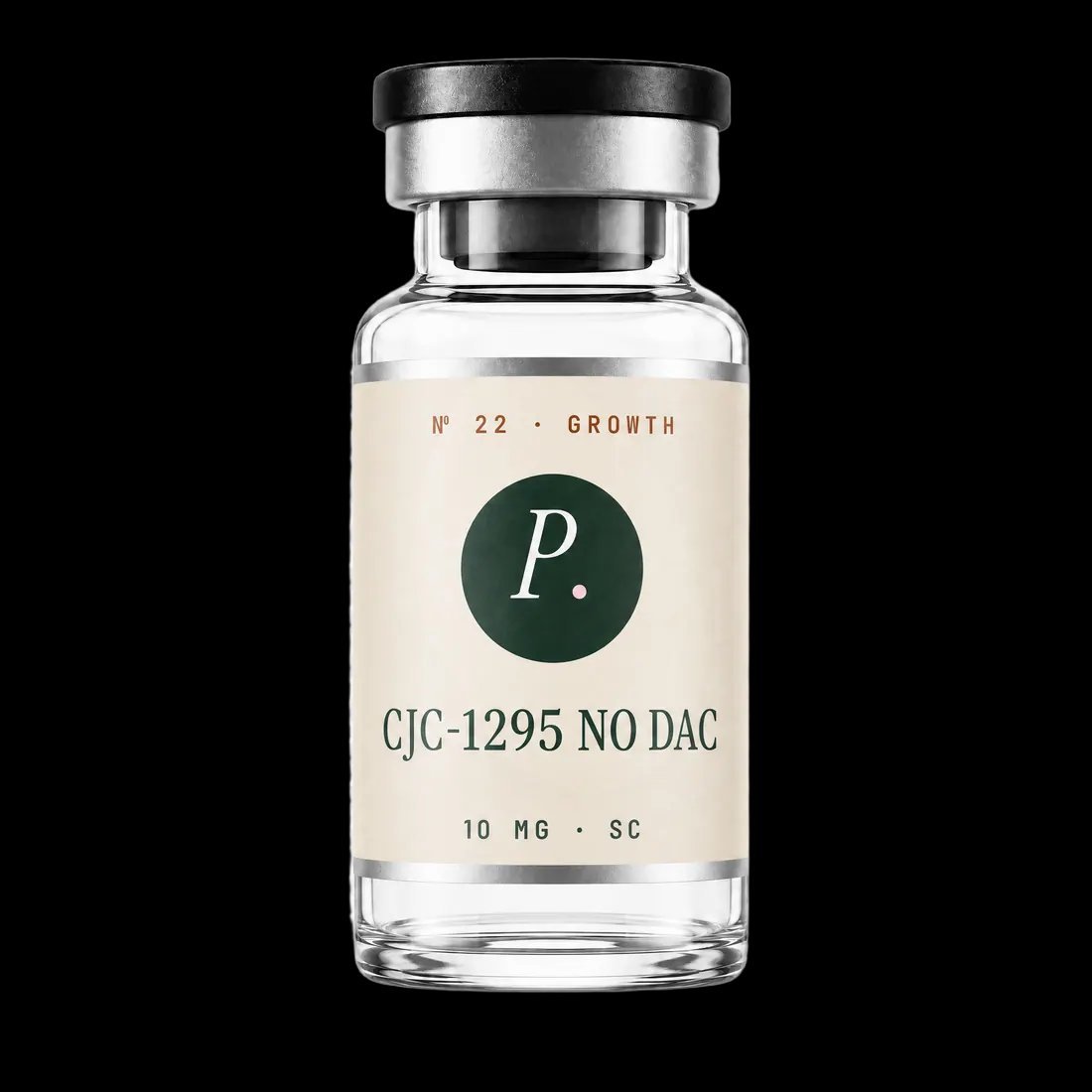
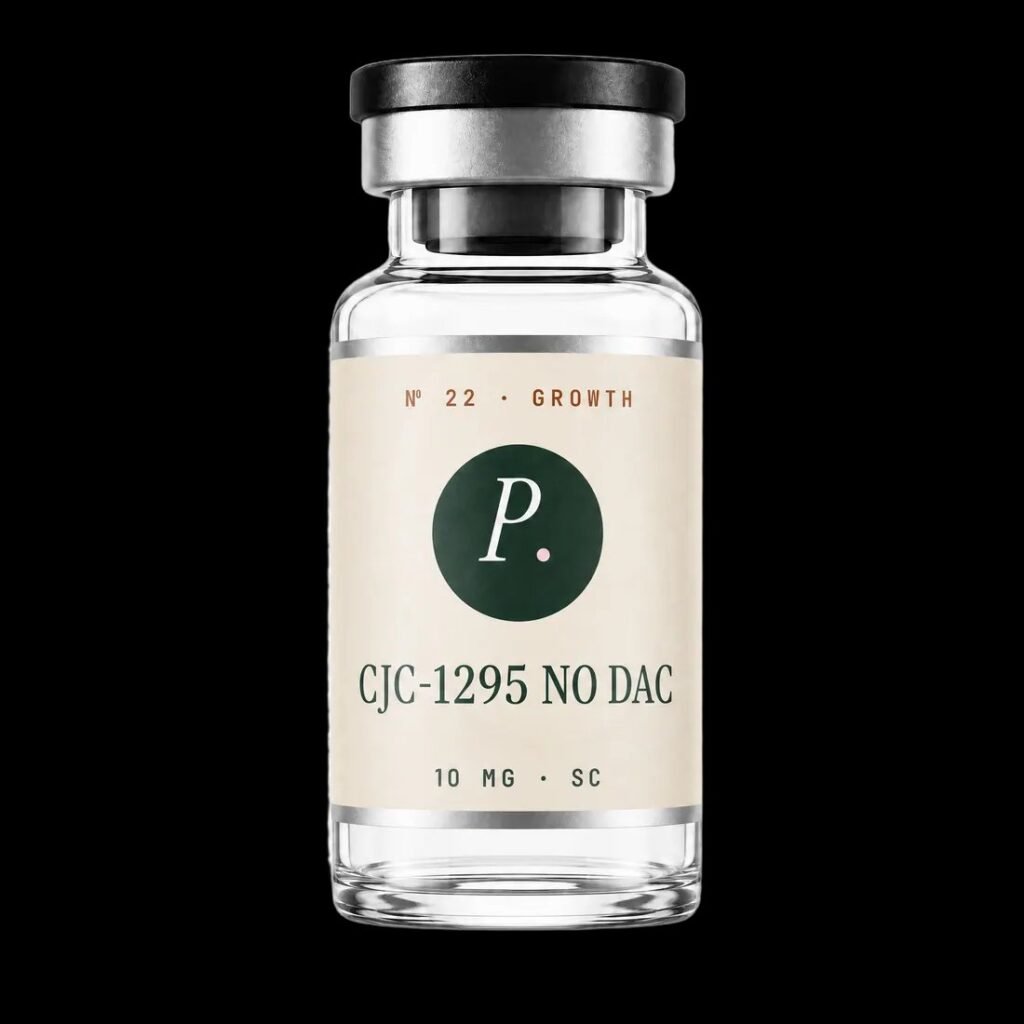
CJC-1295 No DAC 2mg + Ipamorelin 2mg + BPC-157 5mg is a three-peptide combination presented for research-oriented reference. The listed formulation contains 2 mg of CJC-1295 No DAC, 2 mg of Ipamorelin, and 5 mg of BPC-157, for a stated total peptide content of 9 mg per vial. These amounts reflect the product label and do not independently verify composition, purity, or quality.
Each peptide is associated with a different area of scientific investigation. CJC-1295 No DAC is studied in relation to growth hormone-releasing hormone (GHRH) signaling. Ipamorelin is investigated for its activity at the ghrelin receptor, also known as GHS-R1a. BPC-157 is an experimental peptide studied in preclinical research, including investigations into biological processes involved in tissue responses.
Understanding the Three Peptides
CJC-1295 No DAC — 2 mg
CJC-1295 No DAC is commonly described as a modified GHRH-related peptide without the Drug Affinity Complex modification associated with longer-acting CJC-1295 formulations. Naming conventions can vary between suppliers, so the precise molecular identity should be confirmed through reliable product documentation.
Ipamorelin — 2 mg
Ipamorelin is a peptide studied for its interaction with the ghrelin receptor (GHS-R1a), a pathway involved in growth hormone secretion. Findings about an individual peptide do not establish the safety or effectiveness of a multi-peptide formulation.
BPC-157 — 5 mg
BPC-157 is an experimental peptide investigated primarily in preclinical studies. Research interest in biological and tissue-related processes should not be interpreted as proof that it treats injuries, repairs human tissue, or is safe and effective for clinical use.
Research Context
This combination brings together peptides investigated across different biological pathways. However, the presence of multiple research compounds in one vial does not establish that they work synergistically, produce superior outcomes, or have a known safety profile when combined. Evidence for individual ingredients cannot substitute for controlled studies of the exact formulation.
Quality and Documentation
For accurate product identification, review the product label and request applicable documentation from the supplier. Where available, a certificate of analysis (COA) should identify the tested material, analytical method, batch or lot number, and results relevant to identity and purity. A COA should not be represented as proof of clinical efficacy or safety.
Safety and Regulatory Information
CJC-1295, ipamorelin, and BPC-157 have important evidence gaps and regulatory limitations. The U.S. Food and Drug Administration has identified potential safety concerns relating to certain compounded products containing these substances, including possible immunogenicity and peptide-related impurities. Available information does not establish that this particular three-peptide blend is safe or effective in humans.
This product information is provided for educational and research-reference purposes only. It is not medical advice, a treatment recommendation, or a substitute for professional guidance. Do not interpret this description as instructions for human use. Regulatory requirements vary by jurisdiction; verify the applicable rules before purchasing, handling, distributing, or using any peptide product.
Peptika product information: Check the current product label and available batch documentation for details specific to the item supplied.

Reviews
There are no reviews yet.