Description
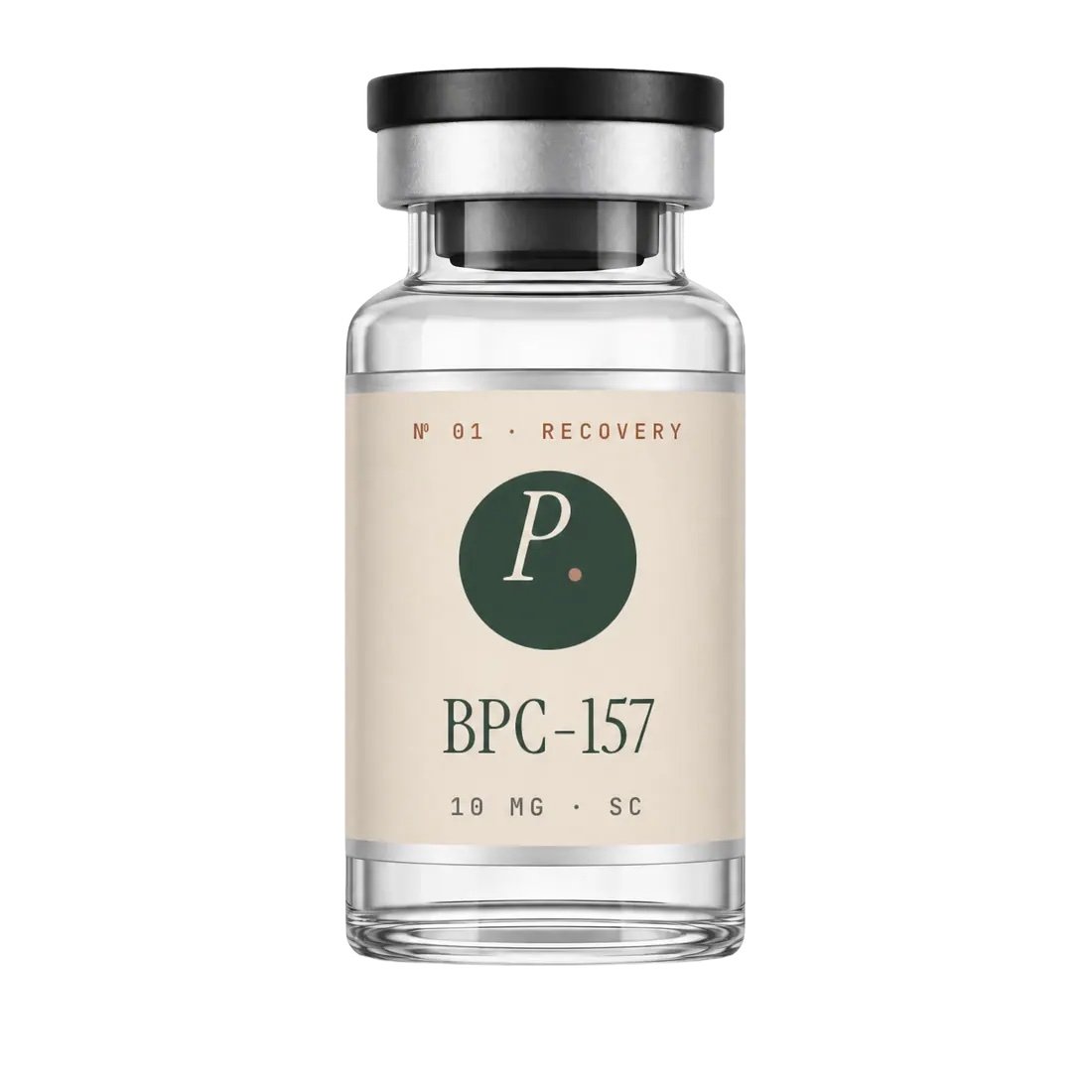
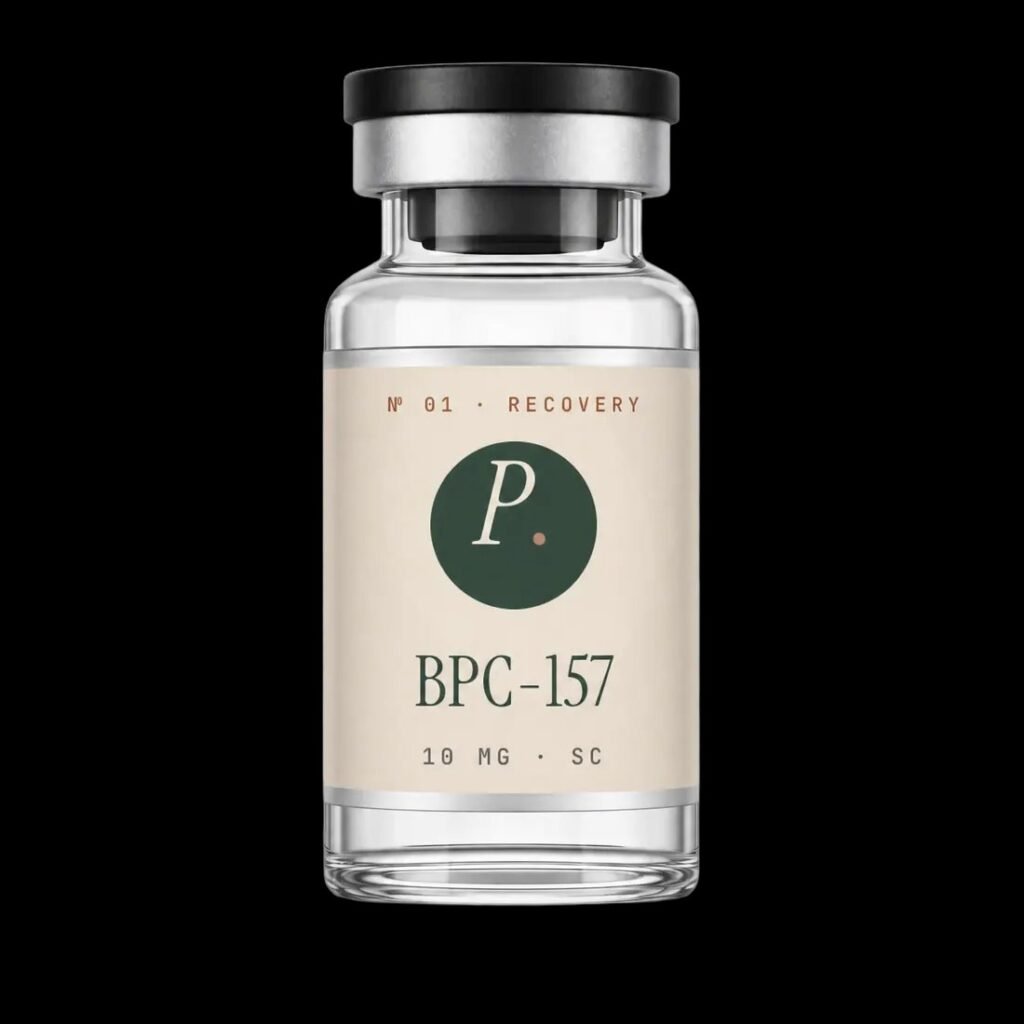
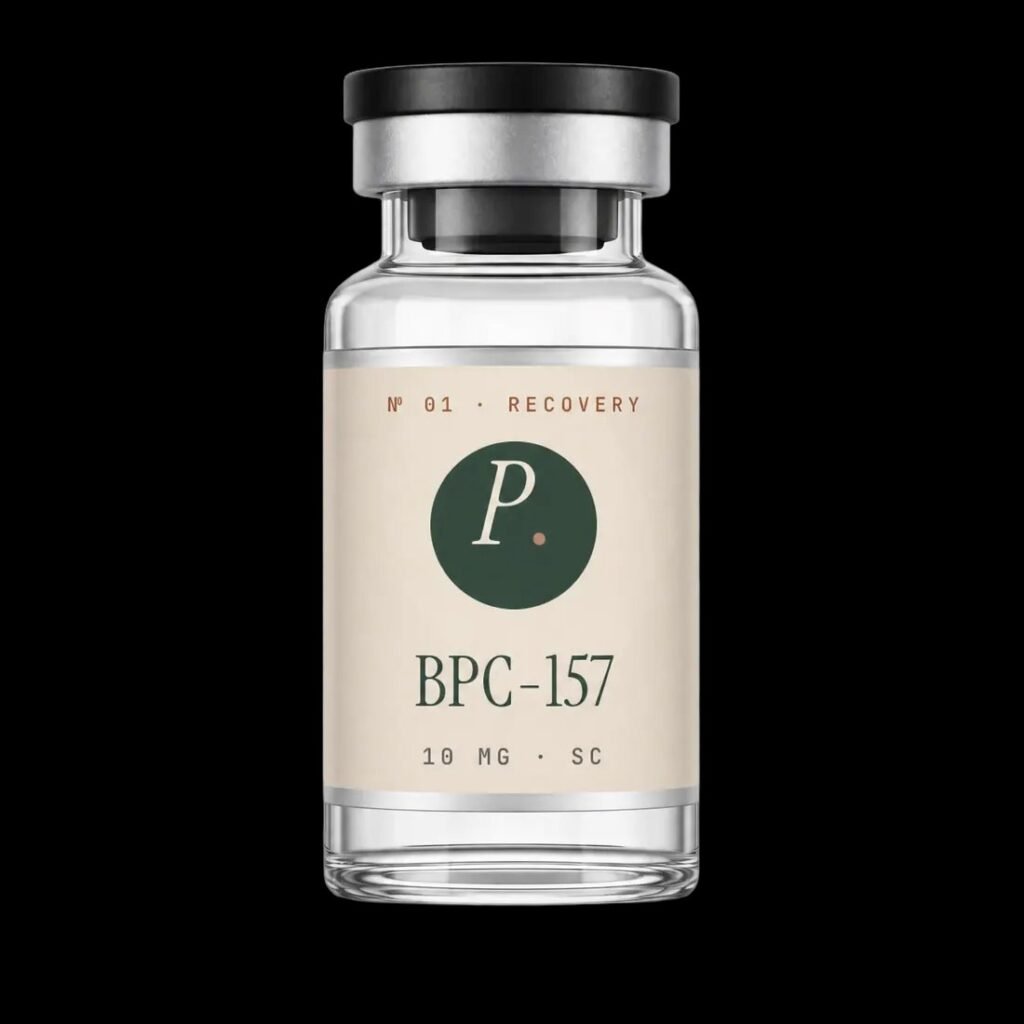
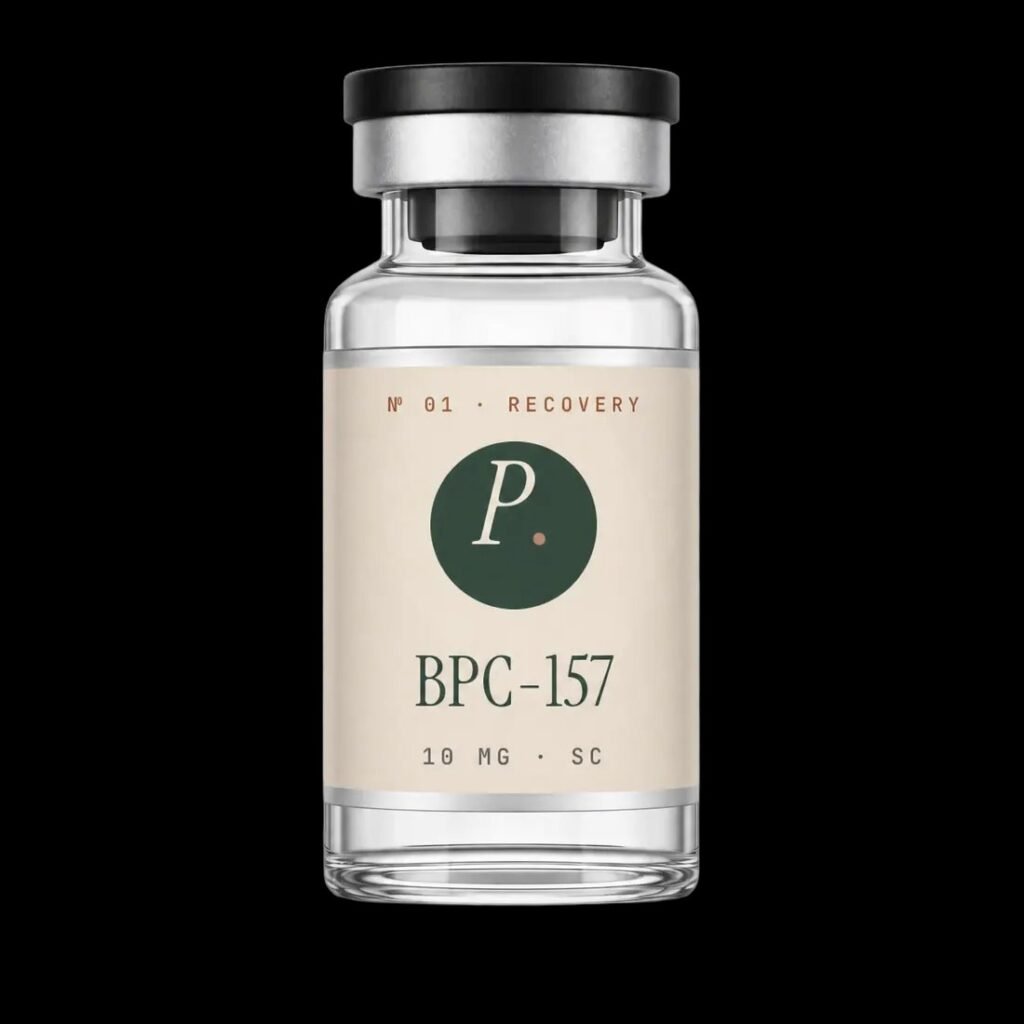
BPC-157 Peptide, Research-Grade Lyophilized Pentadecapeptide
BPC-157 (Body Protection Compound-157) is a synthetic 15-amino-acid peptide whose sequence is derived from a protein found in human gastric juice. It is one of the most frequently studied peptides in preclinical research on tissue repair, angiogenesis and gastrointestinal models. Every batch we supply is independently tested, documented and shipped under temperature-controlled conditions, so researchers can rely on consistent material.
For laboratory research use only. Not for human or veterinary consumption. Not a drug, supplement or medical product.
H2: Product Specifications
| Specification | Detail |
|---|---|
| Product name | BPC-157 (Body Protection Compound-157) |
| Type | Synthetic pentadecapeptide (15 amino acids) |
| Sequence | Gly-Glu-Pro-Pro-Pro-Gly-Lys-Pro-Ala-Asp-Asp-Ala-Gly-Leu-Val |
| Molecular weight | ~1419.5 g/mol (confirm against your COA) |
| Form | Lyophilized (freeze-dried) powder |
| Available sizes | [5 mg / 10 mg, match your catalog] |
| Purity | [≥98%, confirm against your COA] |
| Verification | HPLC and mass spectrometry, batch COA available |
| Storage (unopened) | 2–8 °C, protected from light |
| Storage (reconstituted) | 2–8 °C, do not freeze; follow your lab’s validated stability window |
| Shipping | Temperature-controlled, tracked |
What Is BPC-157?
BPC-157 is a stable, synthetic partial sequence of a body protection compound first isolated from gastric juice. Its stability compared with many peptides is one reason it appears so often in laboratory models. Researchers use it to study how signaling pathways influence cell migration, blood vessel formation and tissue response to injury.
Areas of Preclinical Research
Published laboratory and animal studies have examined BPC-157 in connection with:
- Angiogenesis: effects on vascular growth factor signaling (such as VEGFR2) in experimental models
- Tissue repair models: tendon, ligament, muscle and skin injury studies in animals
- Gastrointestinal models: studies of gut lining integrity and related pathways
- Cell migration and survival: in-vitro work on fibroblasts and endothelial cells
Almost all of this evidence is preclinical (cell and animal studies). Nothing here should be read as a claim of safety or efficacy in humans, and controlled human trial data remain very limited.
Why Researchers Choose Our BPC-157
- Batch-specific COA with HPLC purity and MS identity data for every lot
- Lyophilized format for better stability in transit and storage
- Cold-chain handling to protect peptide integrity
- Lot traceability from synthesis to shipment
- Responsive technical support for research-handling questions
Storage and Handling
Store lyophilized vials at 2–8 °C, away from light and moisture. After reconstitution with a suitable laboratory diluent, keep the solution refrigerated and avoid repeated freeze-thaw cycles. Always follow your institution’s laboratory protocols.
Frequently Asked Questions
What is BPC-157?
A synthetic 15-amino-acid peptide derived from a sequence found in gastric juice, used in preclinical laboratory research.
What purity is your BPC-157?
Each batch is tested by HPLC and mass spectrometry, and the COA lists the measured purity.
How should BPC-157 be stored?
Keep unopened vials at 2–8 °C, protected from light. Refrigerate after reconstitution.
What is the difference between BPC-157 and TB-500?
They are different peptides. BPC-157 is a 15-amino-acid sequence derived from gastric juice. TB-500 is an analog related to thymosin beta-4, an actin-binding protein. Researchers sometimes study them in the same models, but each is supplied and documented separately.
Is BPC-157 approved for human use?
No. It has no marketing authorization as a medicine and is sold strictly for in-vitro and laboratory research.
Is BPC-157 peptide allowed in competitive sport?
No. It is prohibited by WADA as a non-approved substance. Athletes in regulated sports should not use it.
Legal disclaimer (footer and near the buy button)
Products are sold for laboratory research use only, to qualified researchers. They are not intended for human or animal consumption, diagnosis, treatment or prevention of any disease. By purchasing, the buyer confirms compliance with all applicable local laws.


Reviews
There are no reviews yet.