Description
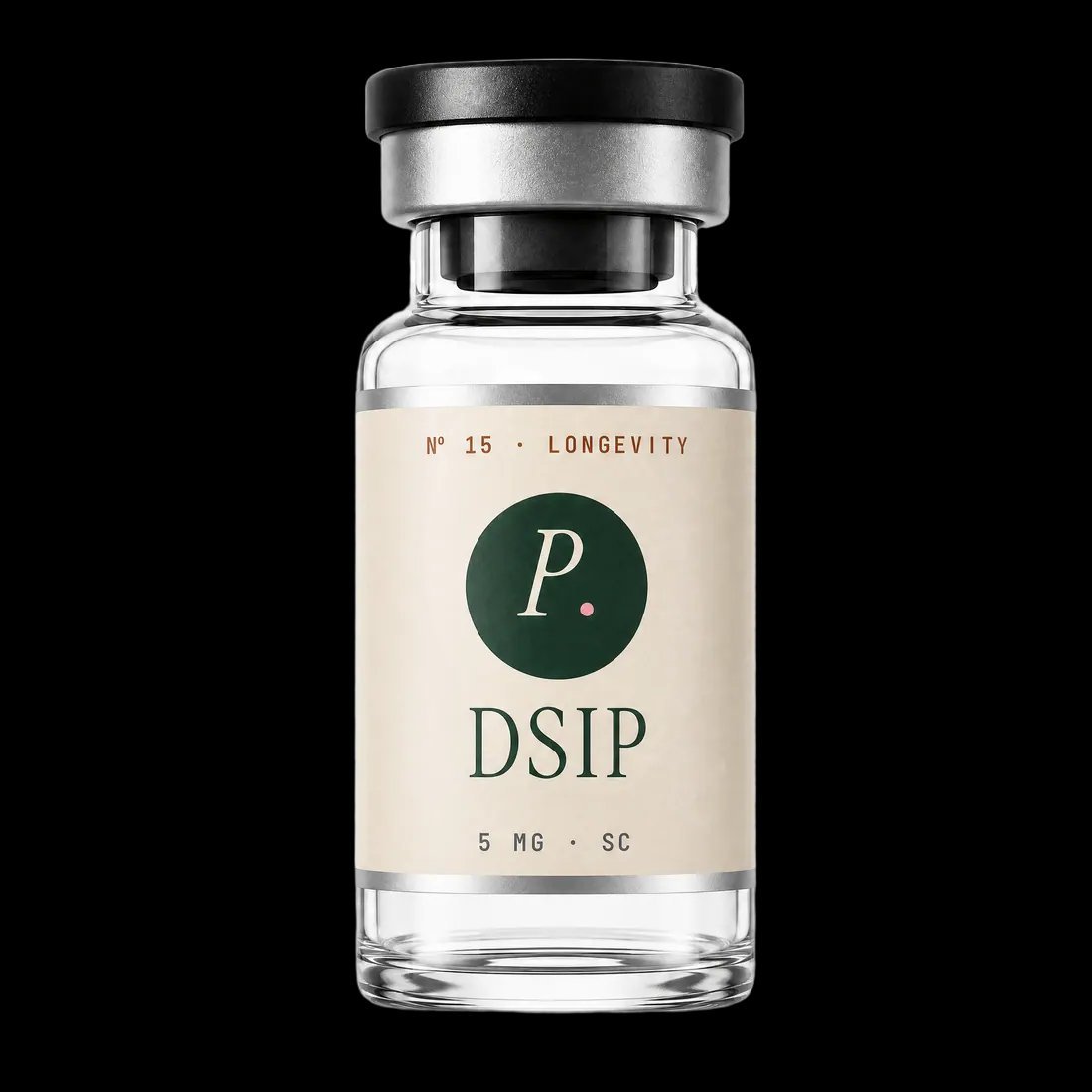
DSIP (Delta Sleep-Inducing Peptide): Product & Research Information
Overview of DSIP
DSIP (Delta Sleep-Inducing Peptide) is a short peptide, also known as an endogenous nonapeptide, that has been investigated for its possible relationship to sleep regulation, neurophysiology, and stress-related biological processes.
DSIP attracted scientific attention following early research suggesting that it might influence sleep-related activity. Subsequent studies have explored its possible physiological effects, but findings have been inconsistent, and its precise biological mechanism remains insufficiently established.
At Peptika, this product page provides general scientific and product information about DSIP, its historical research background, and the important distinction between experimental interest and demonstrated clinical effectiveness.
How DSIP Works: Scientific Background
DSIP peptide has historically been investigated for possible effects on sleep-related physiological processes. However, its precise molecular target and mechanism of action have not been conclusively established.
Unlike compounds whose effects can be explained through a well-characterized receptor and signaling pathway, DSIP remains a less clearly understood research peptide. Its name reflects the original hypothesis that it could promote delta-wave sleep, but the name itself should not be taken as proof of a consistent or clinically meaningful sleep-promoting effect.
Researchers have also investigated DSIP in relation to neuroendocrine activity, stress responses, and other physiological processes. These areas remain exploratory, and findings from individual studies do not establish a reliable therapeutic application.
DSIP and Sleep Research
Sleep regulation has been one of the main areas of historical DSIP research. Early human studies examined sleep duration, sleep architecture, and subjective or objective indicators of sleep quality.
Some small studies reported potentially favorable changes in selected sleep measurements. Other research found weak, inconsistent, or limited effects. In one double-blind study involving 16 people with chronic insomnia, the researchers concluded that the observed effects were unlikely to provide major therapeutic benefit.
These studies have important limitations, including small participant groups, age of the evidence, differences in study design, and a lack of sufficient modern clinical confirmation.
Consequently, DSIP should not be described as a proven treatment for insomnia, a clinically established sleep aid, or a substitute for evidence-based sleep care. More robust research would be needed to establish whether it has a meaningful and reproducible role in human sleep regulation.
DSIP and Neurophysiological Research
Beyond sleep, DSIP has been investigated in research exploring neurophysiological and neuroendocrine processes. Historical studies have examined possible interactions with hormonal responses and other measures of physiological activity.
However, these observations do not establish DSIP as an effective treatment for anxiety, stress, hormonal disorders, neurological conditions, or other medical concerns. A biological effect observed under experimental conditions is not equivalent to a demonstrated clinical benefit.
For this reason, DSIP research should be interpreted according to the specific population, study design, measured outcome, and limitations of each investigation.
DSIP Product Information and Quality Considerations
When evaluating a DSIP research product, review the documentation for the specific item rather than relying on generalized statements about peptide quality.
Relevant documentation may include:
- Product identity: Clear identification of DSIP and its stated product specifications.
- Analytical characterization: Available analytical results supporting the identity and characterization of the material.
- Batch traceability: A lot or batch identifier connecting the product to its supporting documentation.
- Handling information: Manufacturer-provided storage and handling guidance applicable to the specific product.
- Supplier transparency: Clear information about intended use, limitations, and relevant regulatory requirements.
A certificate of analysis, if available, should be assessed according to what it actually verifies. It does not automatically establish sterility, biological activity, clinical safety, or therapeutic effectiveness.
Product specifications should reflect the actual item being offered. Purity, quantity, formulation, and other technical claims should not be published unless they are supported by reliable documentation for the relevant batch.
Safety and Regulatory Information
The human safety profile and clinical usefulness of DSIP have not been adequately established by modern, high-quality research. Historical studies involving small groups of participants cannot provide a complete assessment of potential adverse effects, long-term outcomes, interactions, or risks across different populations.
DSIP should not be presented as an approved treatment for insomnia or other medical conditions unless an applicable regulatory authorization has been verified for the specific product and jurisdiction.
Availability from a research supplier does not establish authorization for human use. Research-use labeling should not be interpreted as proof that a compound is safe or appropriate for self-administration.
Anyone experiencing persistent sleep difficulties should seek advice from a qualified healthcare professional, who can help identify underlying causes and discuss established treatment options.
Frequently Asked Questions About DSIP
What is DSIP?
DSIP stands for Delta Sleep-Inducing Peptide. It is a short peptide historically investigated for its possible effects on sleep-related physiology and other biological processes.
Why is DSIP called the Delta Sleep-Inducing Peptide?
The name comes from early research suggesting a possible relationship between the peptide and delta-wave sleep activity. Subsequent findings have been inconsistent, so the name should not be interpreted as proof that DSIP reliably induces deep sleep.
Does DSIP improve sleep quality?
Some small historical studies reported changes in selected sleep measurements, but other findings were weak or inconsistent. There is insufficient high-quality clinical evidence to establish DSIP as a reliable or effective treatment for sleep disorders.
Has DSIP been studied in humans?
Yes. Several small human studies were published, particularly in earlier decades, investigating sleep and other physiological outcomes. However, the available evidence is limited and does not establish a well-supported modern clinical use.
What is the mechanism of action of DSIP?
Its precise molecular target and mechanism of action remain insufficiently established. Researchers have explored possible effects on sleep-related and neuroendocrine processes, but a definitive mechanism should not be assumed.
Is DSIP an approved sleep medication?
DSIP should not be assumed to be an approved medicine. Regulatory status varies by jurisdiction and product, and research-supply availability does not demonstrate approval for human treatment.
What documentation should accompany a DSIP research product?
Useful documentation may include product identity, batch traceability, analytical characterization, and relevant handling information. Each document should be evaluated according to what it verifies; no single certificate establishes clinical safety or effectiveness.
Is DSIP suitable for self-administration?
This product information does not establish DSIP as safe or appropriate for self-administration. Its clinical safety, effectiveness, and appropriate use have not been adequately established for this purpose.
Conclusion
DSIP is a research peptide with a history of investigation into sleep-related physiology and other biological processes. Although some early studies reported potentially interesting findings, the overall clinical evidence remains limited and inconsistent.
A responsible understanding of DSIP requires distinguishing historical experimental observations from demonstrated therapeutic benefits. Clear product identification, transparent documentation, and accurate communication about the limits of current evidence are essential when evaluating research compounds.
Peptika is committed to presenting product information clearly, avoiding unsupported medical claims, and helping readers distinguish experimental research from established clinical evidence.
Disclaimer: This content is provided for general educational and product-information purposes only. It is not medical advice and does not establish that DSIP is safe, effective, or authorized for human use. Research findings do not replace clinical evidence, professional medical advice, or applicable regulatory requirements. Verify the specific product’s documentation and legal status before purchase or handling.


Reviews
There are no reviews yet.