Description
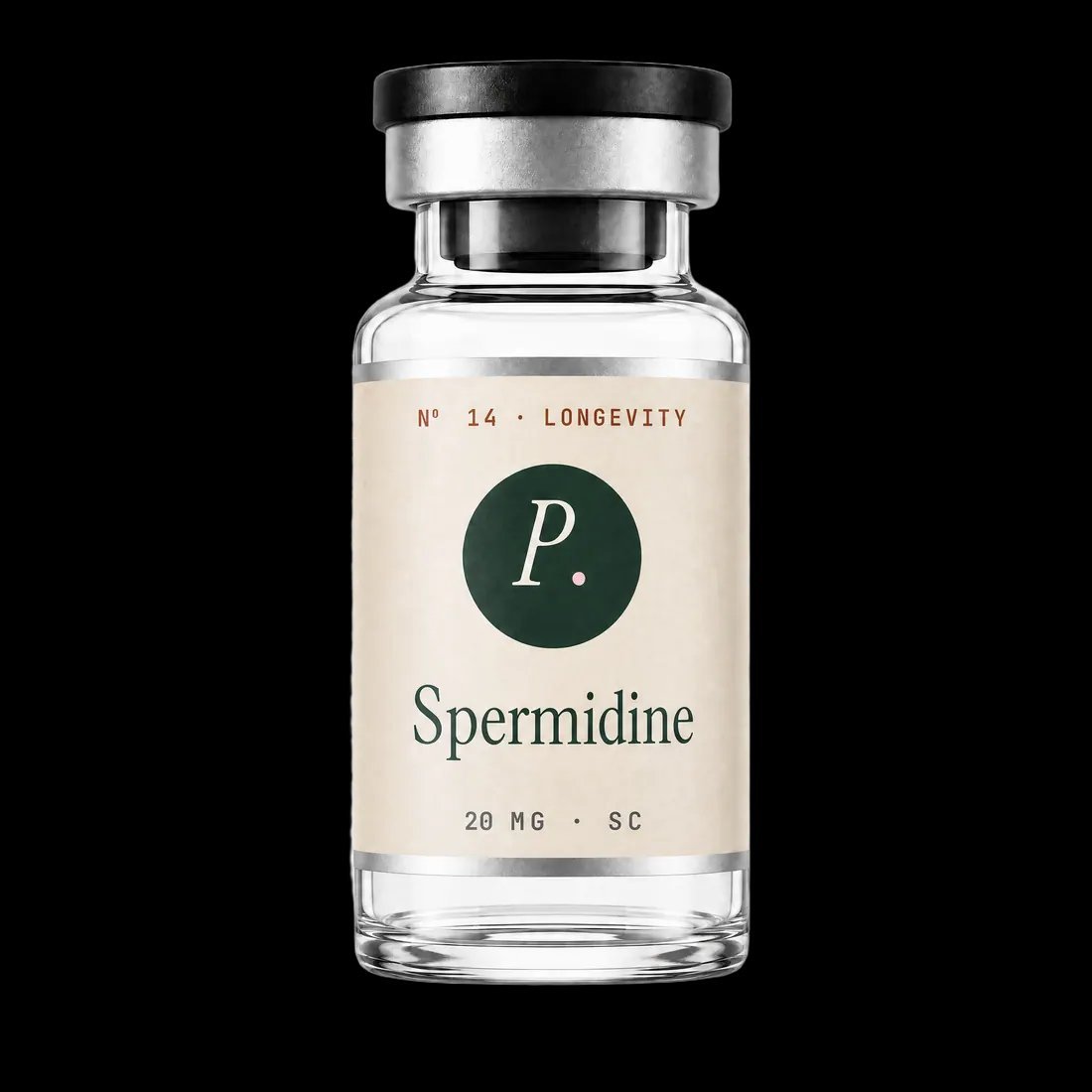
Spermidine (Injectable): Product & Research Information
Overview of Spermidine
Spermidine is a naturally occurring polyamine found in human cells, various foods, and living organisms. It participates in important cellular processes, including cell growth, protein regulation, and cellular maintenance. Spermidine has attracted scientific interest in research involving autophagy, cellular aging, metabolism, and healthy aging.
However, injectable spermidine must be distinguished from dietary spermidine and oral supplements. The fact that spermidine occurs naturally in the body or food does not establish that an injectable formulation is safe, effective, sterile, or appropriate for human use.
This page provides general scientific and product information about spermidine, its biological role, the current research landscape, and the specific safety considerations associated with injectable formulations.
How Spermidine Works: Scientific Background
Spermidine belongs to a family of compounds known as polyamines, which are involved in several fundamental cellular functions. It contributes to processes associated with nucleic acid structure, protein synthesis, cellular growth, and the regulation of cellular activity.
One area of research interest is autophagy, a process through which cells break down and recycle certain components. Experimental studies have investigated how spermidine may influence autophagy-related pathways and other mechanisms involved in cellular maintenance.
These findings have contributed to interest in spermidine as a possible subject of aging and metabolic research. Nevertheless, biological plausibility and positive results in laboratory or animal studies do not establish a clinically meaningful benefit in humans.
The effects of spermidine also depend on factors such as concentration, biological context, metabolism, and the formulation used. Findings from dietary intake or oral supplementation cannot be assumed to apply to injectable administration.
Spermidine and Healthy-Aging Research
Spermidine has been investigated in relation to cellular aging, mitochondrial function, and other processes associated with maintaining cellular health. Observational studies have also examined associations between dietary spermidine intake and certain health outcomes.
These research areas are scientifically interesting, but they require careful interpretation. An association between dietary intake and a health outcome does not establish that spermidine itself caused the outcome. Likewise, results from animal models do not prove that a particular formulation will extend lifespan or prevent age-related disease in humans.
Current human evidence remains insufficient to establish spermidine as a proven anti-aging treatment, a longevity intervention, or a therapy for age-related conditions. Evidence for oral supplements is still developing, and it does not establish the clinical benefits of an injectable product.
Oral Spermidine vs. Injectable Spermidine
The route of administration is a critical distinction when evaluating spermidine products.
- Dietary spermidine: Naturally present in foods such as legumes, whole grains, mushrooms, and certain aged foods.
- Oral spermidine supplements: Investigated in human studies, although the evidence for meaningful health benefits remains limited and formulation-specific.
- Injectable spermidine: Requires route-specific evidence addressing formulation, sterility, compatibility, pharmacokinetics, dosing, and safety. Evidence from food or oral supplements does not establish these properties.
A product intended for injection raises additional quality and safety considerations. A material’s chemical identity or purity alone does not demonstrate that it is suitable for injection, and a product labeled for research should not be presumed appropriate for human administration.
Product Information and Quality Considerations
When reviewing a spermidine product described as injectable, the available documentation should be assessed for the specific product and its intended use.
Relevant information may include:
- Product identity: Clear identification of the compound and its chemical form.
- Composition: Transparent information about the stated contents and any formulation ingredients.
- Analytical characterization: Documentation supporting the identity and measured characteristics of the material.
- Batch traceability: A lot or batch identifier connected to the relevant documentation.
- Sterility and endotoxin information: Route-relevant quality evidence where applicable. These characteristics should not be assumed from a standard purity result.
- Regulatory status: Verification of whether the specific formulation is authorized for its stated use in the relevant jurisdiction.
A certificate of analysis, if supplied, should be reviewed for what it actually demonstrates. It does not automatically establish sterility, injectable suitability, clinical safety, or therapeutic effectiveness.
Peptika product descriptions should reflect only the specifications and documentation verified for the actual item. Claims such as “sterile,” “pharmaceutical grade,” or “approved for injection” should not be published unless they are adequately substantiated.
Safety and Regulatory Information
The safety profile of spermidine depends on the formulation, route of administration, exposure, and individual circumstances. Human research involving oral supplements is not sufficient to establish the safety of injectable spermidine.
Injectable products introduce additional concerns, including potential contamination, endotoxin exposure, formulation incompatibility, and tissue or systemic reactions. These are general risks associated with unsuitable injectable products, not a claim that every spermidine product has been shown to cause these outcomes.
Spermidine participates in cellular growth and other biological pathways. Its effects may vary by context, and the implications of altering polyamine levels in people with particular health conditions are not fully understood. Anyone with a significant medical condition or undergoing cancer treatment should seek advice from a qualified healthcare professional before considering spermidine supplementation.
Spermidine should not be presented as an approved injectable anti-aging treatment or as a proven therapy for a medical condition unless the relevant authorization and clinical evidence have been verified for the specific product and jurisdiction.
Research-use availability is not proof of authorization for human injection. Product documentation, intended use, and applicable regulatory requirements should be verified before purchase or handling.
Frequently Asked Questions About Spermidine (Injectable)
What is spermidine?
Spermidine is a naturally occurring polyamine involved in several cellular processes. It is found in human cells and various foods and has been investigated in research involving autophagy, cellular maintenance, and aging-related biology.
What is injectable spermidine?
The term refers to a product marketed as a spermidine formulation intended for injection. That description alone does not establish that the formulation is sterile, suitable for injection, clinically tested, or authorized for human use. The specific product documentation and regulatory status must be verified.
Is injectable spermidine the same as oral spermidine?
No. The compound may be related, but the route of administration changes the safety and quality requirements. Human findings from oral supplementation cannot be used as proof of injectable safety or effectiveness.
Does spermidine activate autophagy?
Spermidine has been investigated for its potential influence on autophagy-related pathways in experimental research. However, the extent and clinical significance of these effects in humans remain uncertain. Such research does not establish that injectable spermidine provides a proven health or longevity benefit.
Can spermidine slow aging or extend lifespan?
Spermidine is an active area of aging research, but current evidence does not establish that an injectable spermidine product slows human aging or extends lifespan. Laboratory findings and observational associations should not be presented as proof of a clinical outcome.
Is injectable spermidine approved for human use?
Authorization depends on the specific formulation and jurisdiction. A product should not be assumed to be an approved medicine simply because spermidine occurs naturally or is available as an oral supplement. Verify the relevant regulatory status before making any claim about approval.
What documentation should accompany an injectable spermidine product?
Relevant documentation may include verified product identity, composition, batch traceability, analytical characterization, and route-relevant quality evidence such as sterility and endotoxin testing where applicable. These documents must be evaluated individually; no single certificate establishes clinical safety or effectiveness.
Is injectable spermidine suitable for self-administration?
This product information does not establish injectable spermidine as safe or appropriate for self-administration. Route-specific human safety, formulation quality, and clinical effectiveness should not be assumed from studies of dietary or oral spermidine.
Conclusion
Spermidine is a naturally occurring polyamine with important biological roles and an active research profile in cellular maintenance, autophagy, and aging-related science.
However, the evidence supporting dietary or oral spermidine research does not establish the safety or effectiveness of injectable formulations. Responsible evaluation requires attention to route-specific evidence, verified product documentation, and applicable regulatory requirements.
Peptika is committed to presenting product information clearly, distinguishing experimental research from established clinical evidence, and avoiding unsupported claims about injectable safety or anti-aging benefits.
Disclaimer: This content is for general educational and product-information purposes only. It is not medical advice and does not establish that injectable spermidine is safe, effective, sterile, or authorized for human use. Do not infer injectable suitability from dietary or oral-supplement research. Verify the specific product’s documentation and regulatory status, and consult a qualified healthcare professional regarding medical questions.

Reviews
There are no reviews yet.